Best Time to Visit Bhutan: A Month-by-Month Guide
Tucked in the eastern Himalayas, Bhutan experiences distinct seasons that dramatically transform the landscape and influence which experiences are available. From the rhododendron blooms of spring to the crystalline skies of autumn, each season offers unique advantages for different types of travelers. Understanding Bhutan's seasonal patterns helps you time your visit perfectly for your interests and priorities.
The Short Answer
Best Overall: March-May and September-November offer ideal weather, clear mountain views, and major festivals
Budget Travelers: June-August (monsoon season) brings lower prices and lush green landscapes
Winter Adventurers: December-February offers snow-dusted mountains, fewer tourists, and cozy cultural experiences
Month-by-Month Breakdown
January
Weather: Cold in the mountains (down to -10°C/14°F in high elevations) but pleasant in valleys (5-15°C/41-59°F)
Pros:
- Crystal-clear skies providing spectacular Himalayan views
- Very few tourists, creating intimate experiences
- Hotels offer competitive rates
- Excellent time for exploring Punakha and other lower valleys
- Winter festivals in various regions
Cons:
- Very cold for high-altitude trekking
- Some passes may be snow-covered or closed
- Shorter daylight hours
Best For: Travelers seeking solitude, budget-conscious visitors, cultural enthusiasts interested in winter festivals
Highlights: Trashigang and Trongsa Tshechus offer authentic celebrations without tourist crowds
February
Weather: Still chilly but warming toward month's end; valleys become comfortable (8-18°C/46-64°F)
Pros:
- Excellent visibility for photography
- Lower tourist numbers (though increasing)
- Punakha Drubchen and Tshechu (usually late February)
- Blooming flowers appear in lower elevations
- Good for low to mid-altitude treks
Cons:
- High mountain passes remain challenging
- Cold nights require warm clothing
- Some areas still quite dry and brown
Best For: Festival-goers, photographers seeking clear views, travelers who want to avoid crowds
Highlights: Punakha Dzong during tshechu, with dramatic battle reenactments and traditional dances
March
Weather: Spring arrives with warming temperatures (10-20°C/50-68°F in valleys) and occasional rain showers
Pros:
- Rhododendron forests burst into bloom (especially high elevations)
- Comfortable temperatures for trekking
- Agricultural activities begin—farmers planting rice
- Fewer tourists than April-May
- Excellent visibility before monsoon haze
Cons:
- Occasional unsettled weather
- Popular times mean booking ahead is essential
- Prices start rising for peak season
Best For: Flower enthusiasts, trekkers, photographers
Highlights: Paro Tshechu (typically late March or early April), blooming hillsides, beginning of trekking season
April
Weather: Beautiful spring weather (15-25°C/59-77°F); ideal conditions throughout the country
Pros:
- Peak of rhododendron blooms
- Perfect weather for Tiger's Nest trek
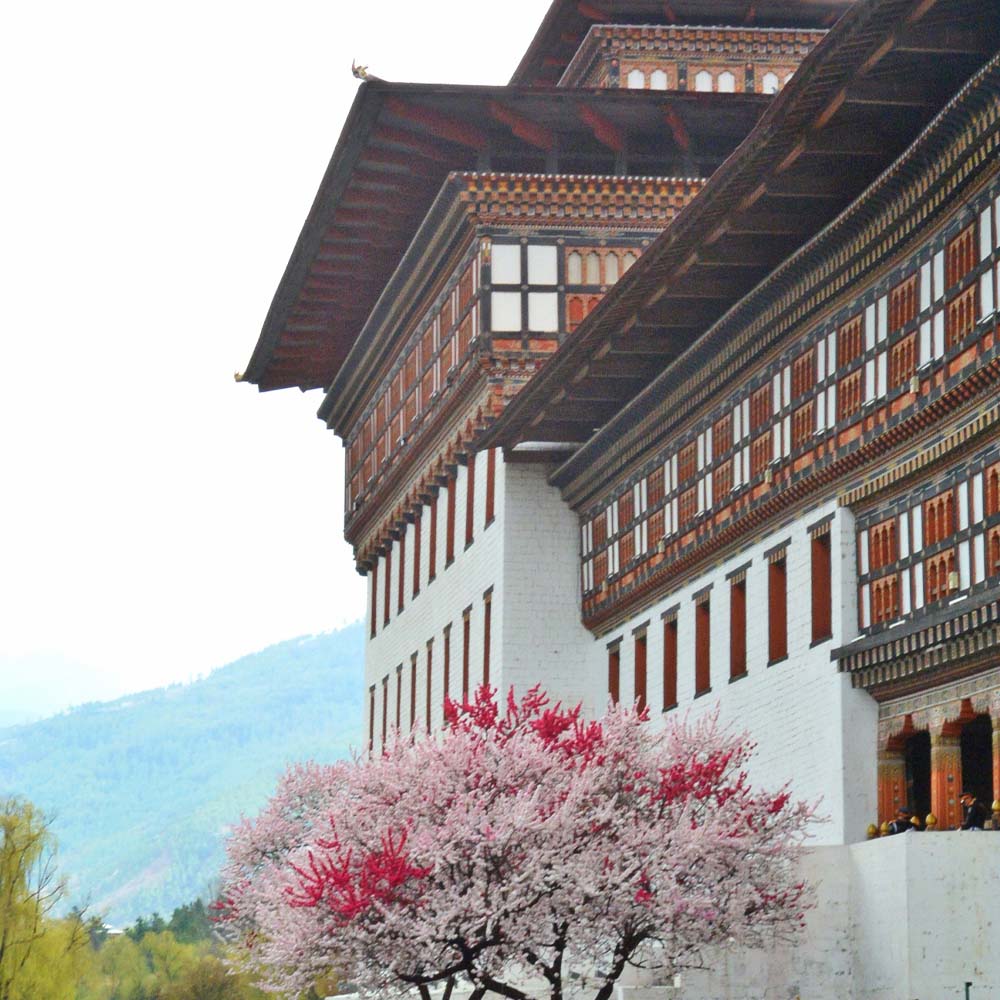
- Cherry blossoms in valleys
- Long daylight hours
- All trekking routes accessible
- Consistently clear mountain views
Cons:
- Peak tourist season means crowds at major sites
- Higher prices for accommodations
- Advance booking essential for hotels and guides
- Popular festivals very crowded
Best For: First-time visitors, trekkers, anyone wanting guaranteed good weather
Highlights: Paro Tshechu, Gom Kora Tshechu (eastern Bhutan), optimal conditions for all activities
May
Weather: Warm and pleasant (18-28°C/64-82°F); pre-monsoon humidity begins late month
Pros:
- Late spring flowers still blooming
- All regions and trails accessible
- Agricultural landscapes vibrant with new growth
- Good weather generally continues
- Fewer tourists than April
Cons:
- Increasing humidity toward month's end
- Occasional pre-monsoon showers
- Haze can affect mountain visibility
- Insects become more prevalent
Best For: Trekkers seeking great conditions with fewer crowds, cultural travelers
Highlights: Ura Yakchoe Festival, pristine hiking conditions, lush green valleys
June
Weather: Monsoon begins with frequent afternoon/evening rains (20-28°C/68-82°F)
Pros:
- Everything intensely green and lush
- Waterfalls at their most dramatic
- Significantly fewer tourists
- Lower prices on hotels and services
- Wildflowers carpet high meadows
- Agricultural life in full swing
Cons:
- Daily rain likely (though often afternoon/evening only)
- Mountain views frequently obscured by clouds
- Trails can be muddy and slippery
- Leeches present on forest trails
- Some roads susceptible to landslides
Best For: Budget travelers, photographers interested in lush landscapes, those who don't mind rain
Highlights: Verdant rice paddies, dramatic cloud formations, quieter temples and dzongs
July & August
Weather: Peak monsoon season with regular rainfall (18-26°C/64-79°F); warm and very humid
Pros:
- Lowest tourist numbers of the year
- Best prices on accommodations
- Spectacular lush landscapes
- Mushroom foraging season (a local delicacy)
- Rivers full for potential rafting
- Traditional farming activities
Cons:
- Frequent rain and overcast skies
- Poor mountain visibility
- Muddy trails challenging for trekking
- Road disruptions possible
- Leeches in forests
- Humidity can be uncomfortable
Best For: Travelers on tight budgets, those with flexible itineraries who can adapt to weather, visitors interested in agricultural traditions
Highlights: Bhutan at its greenest, local matsutake mushroom season, experiencing authentic life without tourist crowds
September
Weather: Monsoon begins receding; increasingly clear days (15-25°C/59-77°F)
Pros:
- Weather improving throughout the month
- Clear skies becoming more frequent
- Still lush from summer rains
- Tourist numbers still low early month
- Festivals begin
- Excellent for trekking by late September
Cons:
- Early September can still be rainy
- Some trails remain muddy
- Mountain views inconsistent until later in month
Best For: Trekkers seeking good weather without peak season crowds, festival-goers
Highlights: Thimphu Tshechu (typically mid-September), Wangdue Tshechu, improving weather opens all possibilities
October
Weather: Exceptional autumn conditions (10-20°C/50-68°F); clear skies and crisp air
Pros:
- Peak season for good reason—near-perfect weather
- Crystal-clear mountain views
- Comfortable temperatures day and night
- Major festivals throughout the country
- Harvest season—golden rice fields
- All trek routes at their best
Cons:
- Very popular (book well ahead)
- Higher peak-season prices
- Major festivals very crowded
- Limited last-minute availability
Best For: Everyone—this is when Bhutan shines brightest
Highlights: Black-Necked Crane Festival, Jambay Lhakhang Drup, harvest activities, pristine Himalayan views
November
Weather: Autumn continues with cool nights and warm days (8-18°C/46-64°F); mostly clear
Pros:
- Still excellent weather early month
- Continued clear visibility
- Fewer tourists than October
- Several significant festivals
- Black-necked cranes arrive in Phobjikha
- Good trekking conditions into mid-month
Cons:
- Cooling temperatures, especially at altitude
- Shorter days (sun sets around 5:30 PM)
- High passes can become challenging late month
- Some areas show post-harvest brown
Best For: Travelers seeking great weather with reduced crowds, wildlife enthusiasts (crane migration), festival-goers
Highlights: Black-Necked Crane arrival, Punakha Drubchen and Tshechu, Mongar Tshechu, excellent trekking
December
Weather: Winter sets in with cold temperatures (5-15°C/41-59°F in valleys; much colder in mountains)
Pros:
- Very few tourists—temples and dzongs feel peaceful
- Excellent visibility for mountain photography
- Lower prices
- Snow dusts high peaks beautifully
- Cozy cultural experiences
- Winter festivals in various regions
Cons:
- Cold weather, especially at high altitudes
- Some high passes may close
- Limited high-altitude trekking
- Short days
- Some hotels close for winter
Best For: Budget travelers, photographers, those seeking authentic experiences without crowds, visitors comfortable with cold
Highlights: Trashigang and Trongsa Tshechus, snow-capped mountain views, intimate cultural experiences
Special Considerations
For Trekkers
Best Months: March-May and September-November
The classic Bhutan treks (Druk Path, Jomolhari, Snowman Trek) require good weather and clear passes. Spring offers blooming rhododendrons while autumn provides the clearest skies and most stable conditions. The legendary Snowman Trek should only be attempted September-October by experienced high-altitude trekkers.
For Festival Enthusiasts
Key Months: March-April (Paro), September (Thimphu), October-November (Black-Necked Crane, Jambay Lhakhang, Punakha)
Festival dates follow the lunar calendar and are announced officially only a few months in advance. Work with your tour operator early to plan around desired festivals.
For Photographers
Best Months: March-May and October-November
Clear skies, good light, and colorful landscapes (spring flowers or autumn harvests) create ideal photography conditions. Dawn and dusk offer magical light on dzongs and mountain vistas.
For Budget Travelers
Best Months: June-August, December-February
Monsoon and winter seasons offer significantly lower prices though with tradeoffs in weather and accessibility. If you can work with the limitations, substantial savings are possible.
For First-Time Visitors
Best Months: March-May and September-November
These seasons minimize weather risks while maximizing your chances of experiencing Bhutan at its best. The investment in Bhutan travel deserves optimal conditions for first impressions.
Temperature Ranges by Region
Paro/Thimphu (2,200-2,350m)
- Summer: 18-28°C (64-82°F)
- Winter: -5 to 12°C (23-54°F)
Punakha/Wangdue (1,200-1,300m)
- Summer: 22-32°C (72-90°F)
- Winter: 5-20°C (41-68°F)
Bumthang (2,600m)
- Summer: 15-25°C (59-77°F)
- Winter: -10 to 10°C (14-50°F)
High Altitude Treks (3,500m+)
- Summer: 5-18°C (41-64°F)
- Winter: -15 to 5°C (5-41°F)
Making Your Decision
Consider these questions:
- What experiences are most important? (Festivals, trekking, cultural immersion, photography)
- How important is weather certainty? (Flexible travelers can benefit from off-season visits)
- What's your budget? (Off-season offers significant savings)
- How do you feel about crowds? (Peak season means sharing experiences with others)
- What's your cold tolerance? (Winter Bhutan is magical but requires warmth)
The Bottom Line
While March-May and September-November earn their reputation as Bhutan's best seasons, there's genuinely no "bad" time to visit this remarkable kingdom. Each season reveals different facets of Bhutanese life and landscape. The key is aligning your visit with your priorities—whether that's perfect weather, specific festivals, budget considerations, or the intimacy of traveling when few others do.
Work with experienced tour operators who understand these seasonal nuances and can craft itineraries that make the most of whenever you choose to discover the Land of the Thunder Dragon.
Ready to plan your Bhutan journey during the perfect season for your interests? Contact Inscape Journeys for expert guidance on timing your visit to experience Bhutan at its very best.