Bhutan's Festival Calendar 2025: When and Where to Go
Bhutan's cultural heartbeat pulses strongest during its tshechus—vibrant multi-day festivals celebrating Guru Rinpoche and Buddhist teachings through masked dances, traditional rituals, and community celebrations. Witnessing a tshechu offers travelers an unparalleled window into Bhutan's living spiritual traditions, where ancient customs continue unbroken in the modern world.
Understanding Tshechus
The word "tshechu" literally means "tenth day," referring to the tenth day of the lunar calendar when Guru Rinpoche was born. These festivals blend religious ceremonies with social gatherings, drawing villagers from surrounding areas who dress in their finest traditional attire—colorful kiras for women and elegant ghos for men.
What Makes Tshechus Special
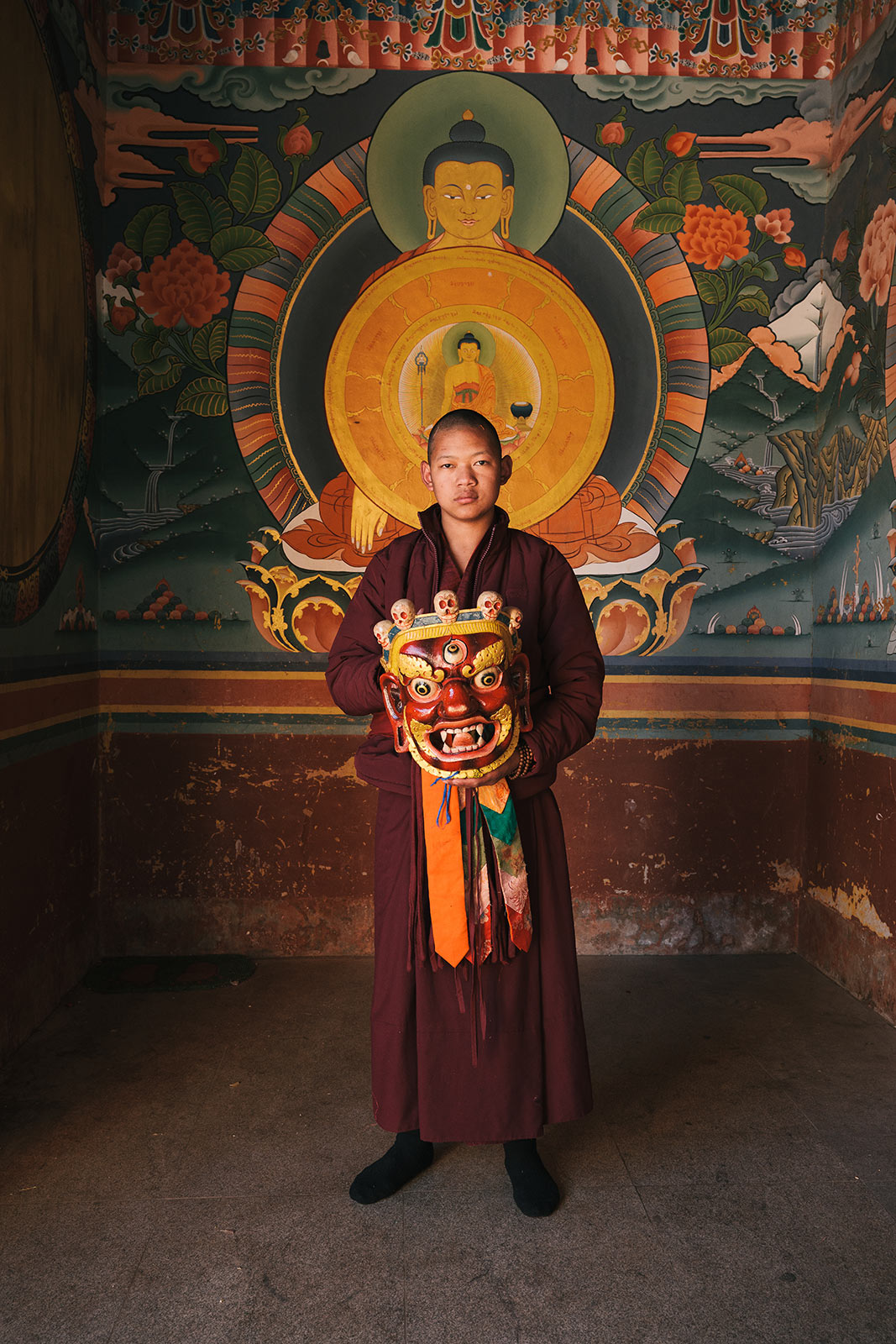
- Sacred Mask Dances (Cham): Elaborate performances depicting Buddhist teachings, with dancers wearing intricate masks and costumes passed down through generations
- Unfurling of the Thongdrel: Giant religious tapestries displayed at dawn, believed to cleanse sins and grant blessings to viewers
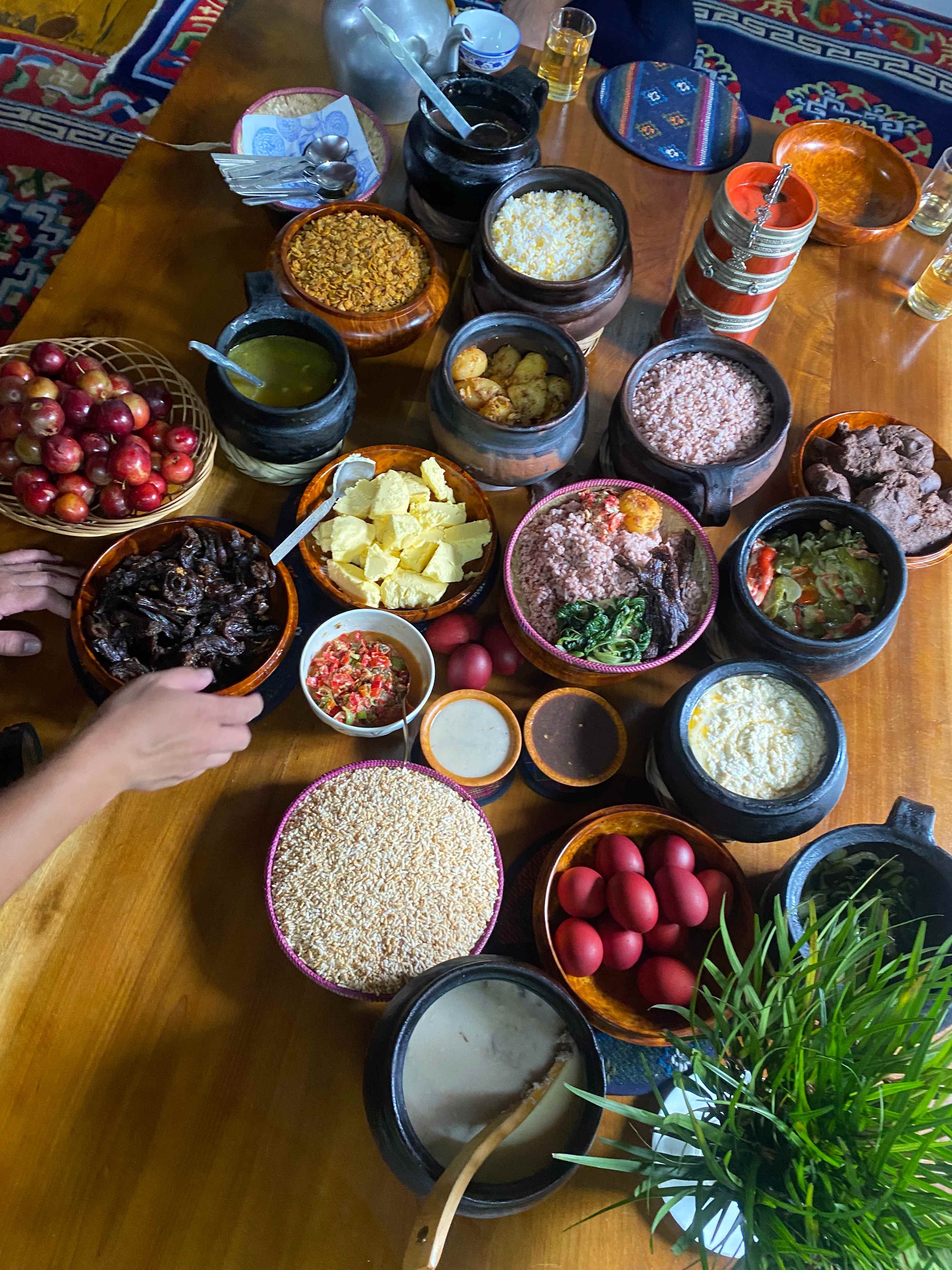
- Community Celebration: Families picnic on monastery grounds, reconnect with relatives, and share meals while watching performances
- Spiritual Merit: Attending a tshechu is considered an act of faith that brings good fortune
Major Festivals in 2025
Spring Festivals (March - May)
Paro Tshechu
- Dates: March 28 - April 1, 2025
- Location: Paro Dzong and surrounding grounds
- Highlights: Bhutan's most famous festival, culminating in the pre-dawn unfurling of a massive Guru Rinpoche thongdrel. The final day draws thousands of devotees and offers the most spectacular dances.
- Why Go: Perfect combination of cultural immersion and nearby attractions like Tiger's Nest
Ura Yakchoe
- Dates: May 10-13, 2025
- Location: Ura Valley, Bumthang
- Highlights: Features the display of a sacred relic and traditional dances in a remote mountain valley setting
- Why Go: Experience an intimate, less-touristed festival in one of Bhutan's most beautiful regions
Autumn Festivals (September - November)
Thimphu Tshechu
- Dates: September 20-22, 2025
- Location: Tashichho Dzong, Thimphu
- Highlights: The capital's grandest celebration, featuring spectacular masked dances and the largest gathering of Bhutanese from across the country
- Why Go: Easily accessible, excellent facilities for visitors, and opportunity to explore Thimphu's attractions
Wangdue Tshechu
- Dates: September 28 - October 1, 2025
- Location: Wangdue Phodrang
- Highlights: Traditional dances in the newly rebuilt dzong, with stunning valley views
- Why Go: Combine with visits to Punakha and Phobjikha Valley for a comprehensive central Bhutan experience
Jambay Lhakhang Drup
- Dates: November 5-7, 2025
- Location: Jambay Lhakhang, Bumthang
- Highlights: Famous for the sacred naked fire dance performed at midnight by local villagers
- Why Go: One of Bhutan's oldest and most unique festivals with ancient rituals rarely seen elsewhere
Black-Necked Crane Festival
- Dates: November 11, 2025
- Location: Gangtey Monastery, Phobjikha Valley
- Highlights: Celebrates the arrival of endangered black-necked cranes with folk dances, crane-themed performances by local school children, and conservation awareness programs
- Why Go: Combine wildlife viewing with cultural celebration in a breathtaking glacial valley
Punakha Drubchen & Tshechu
- Dates: November 18-22, 2025
- Location: Punakha Dzong
- Highlights: The drubchen features dramatic reenactments of 17th-century battles, followed by traditional tshechu dances
- Why Go: Punakha Dzong is Bhutan's most beautiful fortress, and winter weather at this lower elevation is pleasant
Regional Festivals Worth Visiting
Eastern Bhutan
Mongar Tshechu (November 13-15, 2025) Experience authentic festivals in Bhutan's remote east, where traditional culture remains particularly strong. Fewer tourists mean more intimate cultural exchanges.
Trashigang Tshechu (December 10-13, 2025) Journey to Bhutan's far eastern frontier for a festival where local traditions blend with influences from neighboring regions.
Central Valleys
Trongsa Tshechu (December 18-20, 2025) Held in the ancestral home of Bhutan's royal family, this festival carries special historical significance in the dramatic dzong that dominates the central highway.
Planning Your Festival Visit
Book Well in Advance
Popular festivals like Paro and Thimphu Tshechu see peak tourism demand. Reserve accommodations and finalize your itinerary at least 3-4 months ahead to secure the best hotels and guide availability.
What to Expect
Crowds: Major festivals attract large gatherings. Arrive early for good viewing positions, especially for thongdrel unfurlings that occur at dawn.
Duration: Most festivals span 3-5 days, but travelers typically attend 1-2 days to see the highlights. Your guide will recommend the best days based on the dance schedule.
Facilities: Larger festivals have designated areas for tourists with better views. Basic food stalls sell snacks and tea. Bring water, sun protection, and patience for crowds.
Festival Etiquette
- Dress respectfully: While not mandatory for tourists, wearing traditional Bhutanese dress (which your guide can arrange) shows cultural appreciation
- Photography: Generally permitted in festival grounds but not inside temples. Be discreet and respectful when photographing people—ask permission for close-ups
- Respect sacred moments: Remove hats and remain quiet during blessing ceremonies and religious dances
- Give space: Devout locals may be deep in prayer or meditation; maintain respectful distance
Combining Festivals with Your Itinerary
Paro Tshechu Package (7-9 days)
Arrive a few days before the festival to explore Paro Valley, trek to Tiger's Nest, and acclimatize to the altitude. After the festival, continue to Thimphu and Punakha for a well-rounded introduction to Bhutan.
Autumn Festival Circuit (10-14 days)
Combine Thimphu Tshechu with the Black-Necked Crane Festival and Punakha's celebrations for a multi-festival journey through central Bhutan's most beautiful valleys.
Eastern Bhutan Adventure (12-16 days)
For intrepid travelers, journey across Bhutan from west to east, timing your visit to catch festivals in less-visited regions while experiencing the country's dramatic geographical and cultural diversity.
Beyond the Major Festivals
Village Festivals
Smaller communities throughout Bhutan host their own local tshechus and celebrations. These intimate gatherings lack the scale of major festivals but offer deeper cultural immersion with fewer distractions.
Archery Tournaments
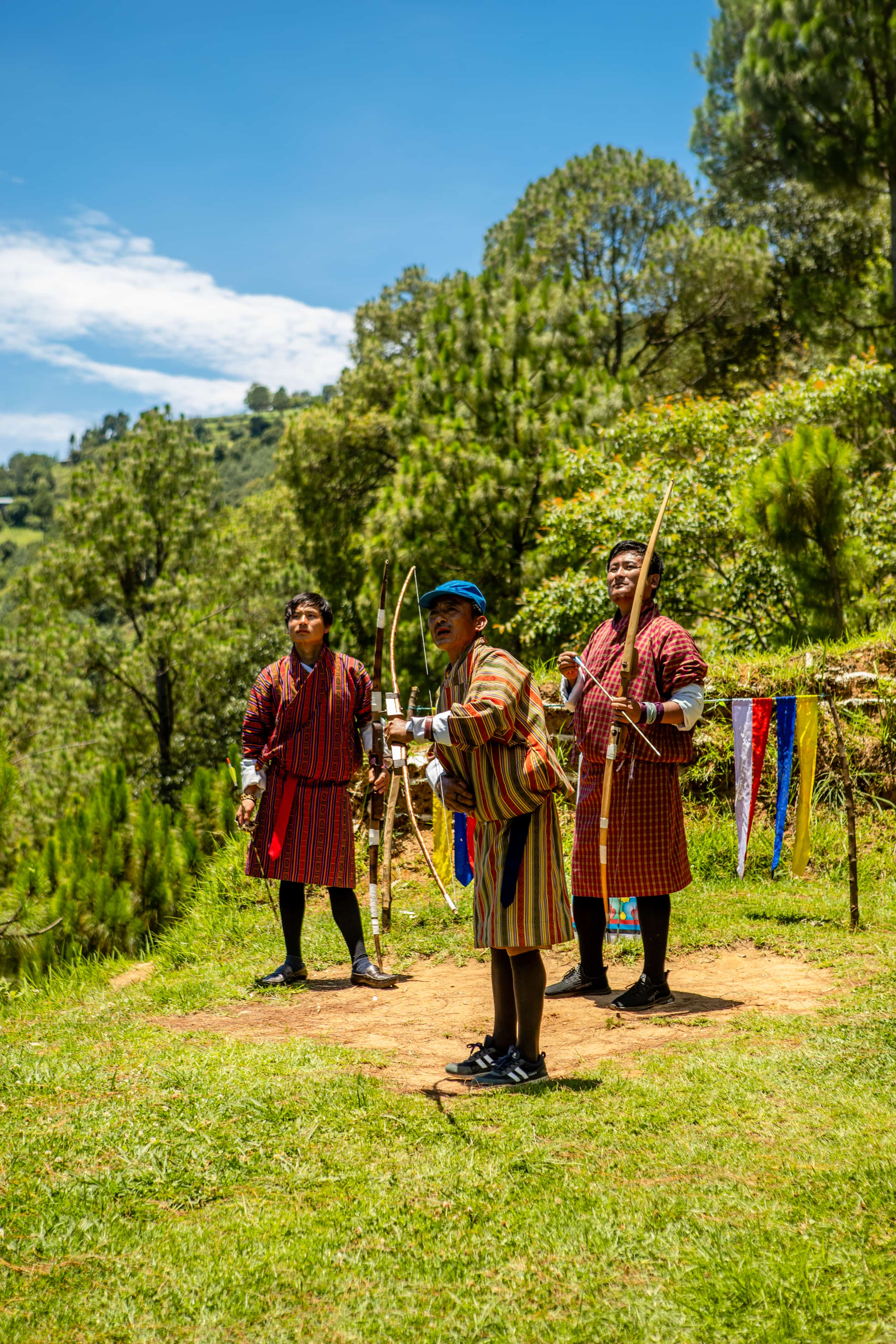
Bhutan's national sport sees regular competitions throughout the year, especially during festivals. The combination of skill, traditional music, and good-natured rivalry makes these events highly entertaining.
Agricultural Celebrations
Spring planting and autumn harvest periods bring local celebrations varying by region. Ask your guide about timing your visit to witness these authentic seasonal traditions.
Making the Most of Festival Days
Arrive Early
The most sacred moments often occur at dawn. Thongdrel unfurlings typically happen between 4-6 AM, drawing thousands of devotees seeking blessings. The predawn atmosphere, with butter lamps glowing and prayers echoing across the monastery courtyard, creates an unforgettable spiritual experience.
Stay All Day
Festivals run from dawn until evening, with different dances and ceremonies throughout. While some performances repeat, each has its own significance and beauty. Spending the full day allows you to absorb the rhythm of celebration and observe how locals engage with their spiritual traditions.
Engage with Locals
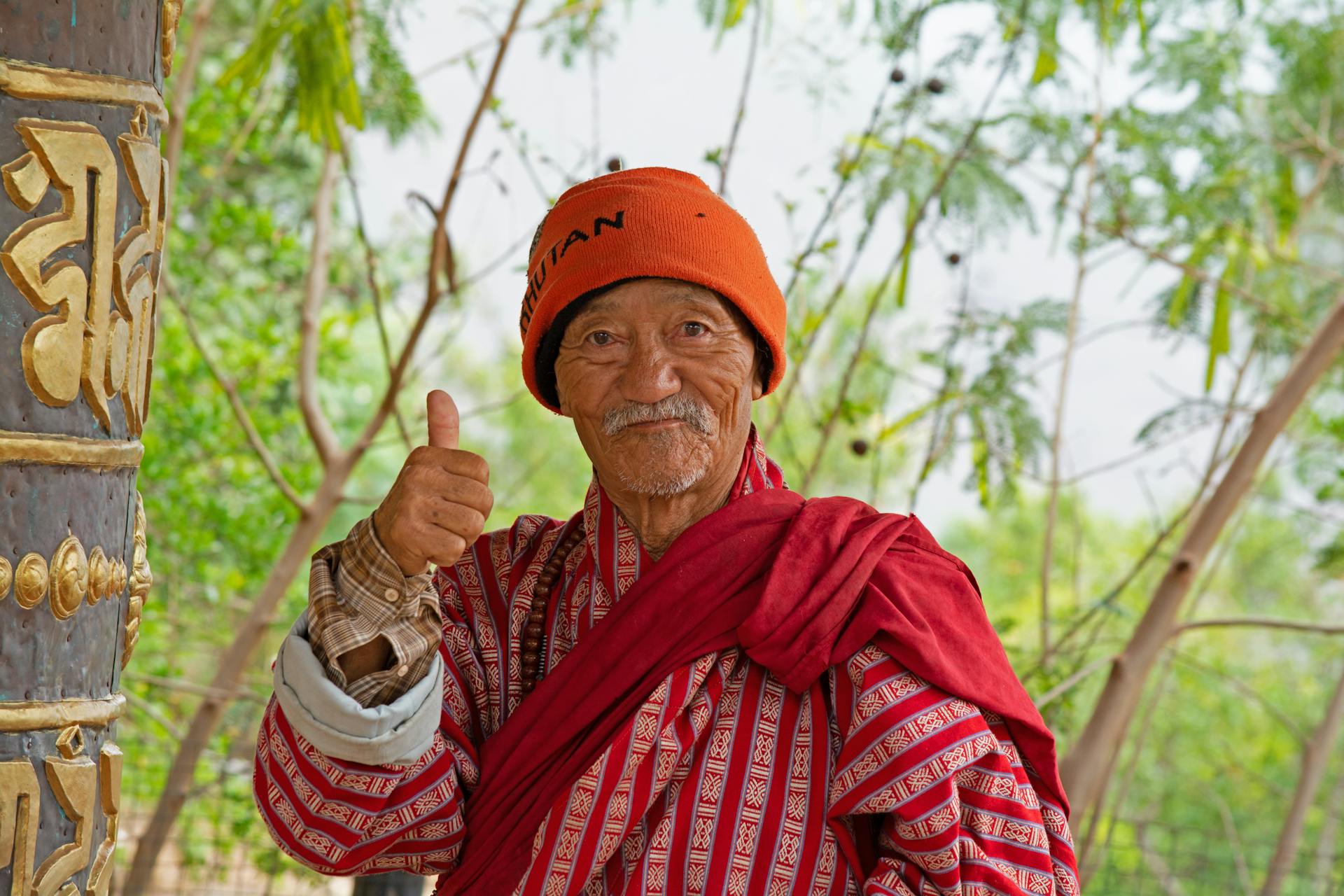
Bhutanese people are warm and welcoming, often delighted to explain festival traditions to curious visitors. Your guide can facilitate conversations, but simple smiles and genuine interest open many doors.
The Spiritual Dimension
For Bhutanese Buddhists, tshechus aren't mere cultural performances—they're powerful spiritual practices. The masked dances represent Buddhist teachings on compassion, wisdom, and the triumph of good over evil. Witnessing these ancient rituals in their authentic context offers insights far beyond typical cultural tourism.
Many travelers report feeling moved by the devotion of elderly pilgrims who travel for days to receive blessings, the joy of families sharing festival meals, and the timeless quality of traditions continued for centuries.
Planning Tips
- Choose your festival wisely: Paro and Thimphu offer impressive spectacles with good infrastructure; smaller festivals provide intimacy and authenticity
- Consider weather: Spring and autumn offer the best conditions, though winter festivals have fewer tourists
- Build in flexibility: Festival dates follow the lunar calendar and are announced officially only months in advance
- Extend your stay: Don't rush away after the festival—use the time to explore surrounding areas when accommodations are less crowded
- Work with local experts: Guides provide crucial context that transforms watching into understanding
Ready to time your Bhutan journey around these spectacular festivals? Contact Inscape Journeys to craft an itinerary that places you at the heart of Bhutan's most vibrant cultural celebrations with expert guides who bring the traditions to life.